Gluten-Free Protein Pancakes to Power Your Muscle Gains
Posted on September 23, 2025 · by Mason Lee
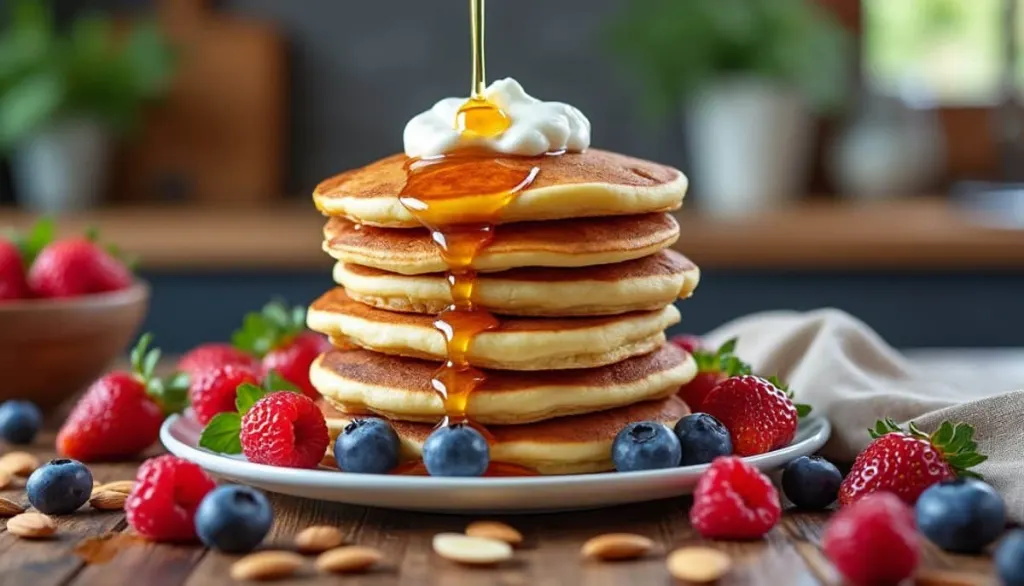
Finding a nutritious breakfast that fuels muscle growth yet fits a gluten-free lifestyle can be challenging. Gluten-free protein pancakes offer a perfect solution—delicious, rich in protein, and easy to customize for your fitness goals. Whether you’re a dedicated athlete or simply looking to strengthen your morning routine, these pancakes provide a tasty way to deliver the muscle-building nutrients your body needs. Here’s everything you need to know about making the best gluten-free protein pancakes for muscle building.
Benefits of Gluten-Free Protein Pancakes for Muscle Building
Muscle recovery and growth demand quality protein and balanced nutrition, which these pancakes deliver effectively. Using gluten-free flours like almond or oat ensures you avoid gluten-related discomforts while enriching your meal with essential nutrients. Protein powders from brands like Optimum Nutrition or PEScience boost the protein content, making each serving a powerful source of muscle-repairing amino acids.
Beyond muscle support, these pancakes keep you feeling full longer with their balanced macronutrients. They’re low in carbs compared to regular pancakes, supporting blood sugar stability—a key factor in maintaining energy throughout the day. This makes them an excellent breakfast option for athletes and health-conscious individuals alike.
Choosing the Right Gluten-Free Flours and Protein Powders
The base of a muscle-building gluten-free pancake depends heavily on quality flours and protein sources. Almond flour and oat flour create a moist, fluffy texture while optimizing nutrient intake. Coconut flour adds a light texture but works best combined with other flours to balance moisture.
- Almond flour – rich in healthy fats and protein; ideal for keto-based diets
- Oat flour – provides fiber and a gentle nutty flavor; perfect for sustained energy
- Coconut flour – adds fluffiness but requires added moisture due to its absorbency
Protein powders such as whey from Optimum Nutrition or plant-based blends from FlapJacked and PEScience enhance the protein count without compromising flavor. Using Pamela’s Products or Bob’s Red Mill gluten-free mixes offers reliable flour blends to simplify preparation.
Perfecting the Pancake Batter for Fluffy, Protein-Packed Results
Creating the ideal batter is a crucial step. Avoid overmixing to prevent dense pancakes—gluten-free flours can become gummy if worked too much. Letting the batter rest 5–10 minutes allows flours to hydrate fully, improving texture.
Measure ingredients precisely: using 1 cup of gluten-free flour, 1 scoop of protein powder, 1 teaspoon baking powder, 2 eggs, and ¾ cup of milk (or plant-based milk) forms a balanced base. Incorporate natural flavor enhancers like vanilla extract or cinnamon to make every bite delicious.
Incorporating egg whites whipped separately folded gently into the batter is a useful technique to achieve maximum fluffiness. It traps air, producing lighter pancakes that rival any traditional recipe.
Cooking Techniques for Evenly Cooked Gluten-Free Protein Pancakes
Temperature control is the key to pancakes that are soft inside and golden outside. Heat a non-stick skillet to medium-low or around 350°F (175°C). Pour ¼ cup portions and cook for 2-3 minutes per side. Wait until bubbles appear before flipping to ensure the pancakes stay intact and develop a perfect crust.
Using brands like Kodiak Cakes or Krusteaz can simplify baking with pre-made gluten-free mixes that already contain protein enhancements, saving time while delivering consistent results.
Adding Flavor and Nutrients with Toppings and Mix-Ins
Customizing your protein pancakes elevates their nutritional profile and taste. Adding berries such as blueberries or raspberries introduces antioxidants and natural sweetness. Nut butters from Purely Elizabeth, or a drizzle of sugar-free syrup from Birch Benders, supply healthy fats and additional flavor.
- Chia seeds or flaxseeds for Omega-3 fatty acids
- Dark chocolate chips for an indulgent, yet nutritious twist
- Greek yogurt topping for extra protein and creaminess
These add-ons turn an ordinary pancake into a powerhouse meal, keeping your taste buds excited and muscles energized.
Meal Prep Tips for Busy Muscle Builders
Making a large batch of gluten-free protein pancakes ahead of time can be a game-changer. Cool completely, then separate with parchment paper and store in an airtight container in the fridge for up to 5 days or freeze for longer storage. To reheat, use a toaster for crisp edges or a microwave covered with a damp paper towel to retain moisture. This saves precious time while ensuring a high-protein breakfast is always ready.
Highly versatile and nutritionally dense, these gluten-free protein pancakes cater to various dietary needs without compromise. They incorporate wholesome ingredients widely recognized in 2025 as essential muscle-building foods and deliver on taste and convenience. For more inspiration and detailed recipes, visit trusted resources like Unfold Today, Sabrina Sinless Secrets, or The Muscle Bakery.
About the author
Mason Lee shares practical ideas designed to work in real life.
Explore
Latest ideas
🎄 Cozy Christmas PJs: Ultimate Holiday Comfort! 🛌
🎄 Ultimate Christmas Gift Guide: Perfect Ideas for Everyone! 🎁
🎄DIY Christmas Ornaments: Fun Crafts for Every Age!✨
🎁 Office-Friendly Christmas Gifts for Coworkers 🎄