Gluten-Free Pasta at Home: Easy, Foolproof & Delicious
Posted on September 3, 2025 · by Mason Lee
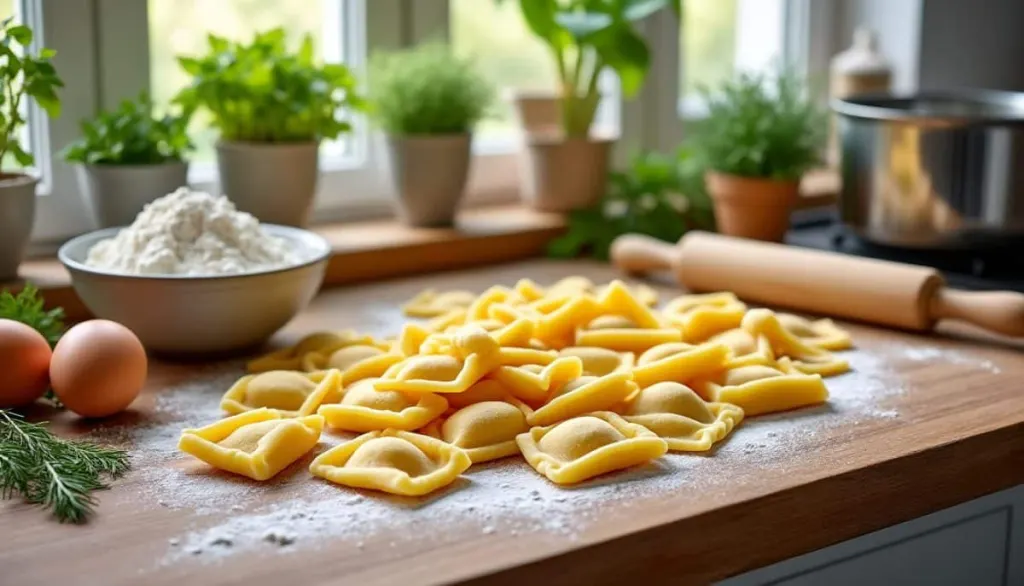
If you rely on gluten-free pasta options, you know the struggle to find ones that don’t fall apart or taste bland. Store-bought gluten-free brands like Barilla and Jovial have come far, but nothing beats the fresh flavor and texture of homemade pasta. Making your own gluten-free pasta might seem intimidating, but with the right method, it’s surprisingly simple and rewarding. Here’s everything you need to know about creating foolproof homemade gluten-free pasta that rivals any conventional version.
Essential Ingredients for Perfect Homemade Gluten-Free Pasta
Successful gluten-free pasta starts with the right ingredients. The mix of flours and additives determines if your pasta will hold together and have that delightful chew. Key components to keep on hand include:
- Gluten-free bread flour blends such as King Arthur Baking’s mix, which provides necessary protein for elasticity
- Tapioca starch from brands like Ancient Harvest or Banza to add stretchiness and smooth texture
- Whole eggs and extra egg yolks to enrich the dough with silkiness and vibrant color
- Olive oil for moisture and tenderness
- Salt to balance flavor
- Water, added carefully to reach the correct dough consistency
This combination ensures your dough is pliable yet sturdy, a balance that many pre-made gluten-free pastas from brands like Tinkyada or Sam Mills struggle to achieve.
Mixing and Kneading: The Key to Gluten-Free Pasta Dough
Crafting this dough doesn’t require specialized equipment. Whether using a food processor, stand mixer with dough hooks, or just your hands and a bowl, the principles remain the same:
- Combine dry ingredients first—flour, tapioca starch, and salt—to ensure even distribution.
- Add whole eggs, yolks, and olive oil, mixing gently.
- Slowly drizzle cold water in small amounts until the mixture comes together, aiming for a slightly tacky but not overly wet dough.
- Knead on a floured surface or let your mixer do the work until the dough is smooth and elastic.
- Wrap tightly and let rest for 30 minutes to hydrate and relax.
This process is foolproof and accommodates varying kitchen setups, whether you prefer the manual approach or a KitchenAid with a pasta roller attachment like DeLallo’s recommended machines.
Rolling and Shaping Your Gluten-Free Pasta
Once rested, you can roll the dough thin using a rolling pin or a pasta machine. Here’s how to get excellent results:
- Flour your surface generously with gluten-free flour blends to prevent sticking.
- Roll out the dough until about 1/8 inch thick or thinner if you can handle it without tearing.
- Cut the pasta into your desired shapes. For example:
- Spaghetti or linguine with a sharp chef’s knife or pasta cutter
- Lasagna sheets for layering baked dishes
- Bowties (farfalle) or ravioli using folding and pinching techniques inspired by pasta experts like Luca D’Onofrio
- If using a pasta machine from Capello’s or Le Veneziane, feed the dough through incrementally thinner settings for uniformity.
Making varied pasta shapes is easier than you might think and perfect for creating dishes unique to your taste.
Storage Tips for Fresh Gluten-Free Pasta
Fresh pasta is best cooked soon after making, but here are some handy tips if you need to save time:
- Sprinkle the noodles lightly with gluten-free flour to keep them from sticking, then cover tightly with plastic wrap in the fridge for up to 24 hours.
- For longer storage, freeze the pasta in individual portions or “nests” inside zip-top bags, pressing out air. This allows easy thawing of only what you need.
- Cook frozen pasta directly from the freezer, adding a minute or two to its boiling time.
These methods help preserve texture, avoiding the mushiness common with pre-packaged gluten-free pasta.
Cooking Your Homemade Gluten-Free Pasta to Perfection
Gluten-free pasta cooks quicker than traditional varieties. Follow these steps for guaranteed al dente results:
- Bring a large pot of well-salted water to a rolling boil.
- Cook pasta for approximately 3 minutes, checking for tenderness often as sizes and thickness vary.
- Reserve some pasta cooking water before draining; the starchy water adds volume and helps thicken sauces.
- Drain carefully and mix immediately with your choice of sauce.
Popular sauce pairings include olive oil and garlic blends from Sam Mills-inspired recipes, a rich Alfredo like those suggested by DeLallo, or a hearty meatball sauce reminiscent of Jovial’s Italian roots.
Discover detailed steps and techniques in this engaging tutorial showing how simple it is to make fresh gluten-free pasta that holds up beautifully.
Watch expert guidance on shaping and handling dough, including tips for bowties and ravioli using gluten-free dough.
Follow real-life cooks sharing their successes with fresh gluten-free pasta and serving ideas.
Ready to transform your gluten-free meals? Explore in-depth recipes and expert insights at
King Arthur Baking,
Make Gluten Free, and
Gluten Free Alchemist.
You’ll also find creative baked pasta alternatives that hold their shape at
Falfy and flavorful simple dishes at
Kelly’s Clean Kitchen. For budget-friendly pasta options with great texture, brands like Banza and Tinkyada remain solid choices to complement your homemade creations.
Are you curious how homemade gluten-free pasta compares to your favorite store-bought options like Barilla or Sam Mills? Try this foolproof method today and experience fresh pasta that truly satisfies. What shape will you make first? Save this pin for later and share with friends who love cooking gluten free!
About the author
Mason Lee shares practical ideas designed to work in real life.
Explore
Latest ideas
🎄 Cozy Christmas PJs: Ultimate Holiday Comfort! 🛌
🎄 Ultimate Christmas Gift Guide: Perfect Ideas for Everyone! 🎁
🎄DIY Christmas Ornaments: Fun Crafts for Every Age!✨
🎁 Office-Friendly Christmas Gifts for Coworkers 🎄