Speedy Gluten-Free Flatbread Crust for Effortless Pizzas
Posted on September 14, 2025 · by Mason Lee
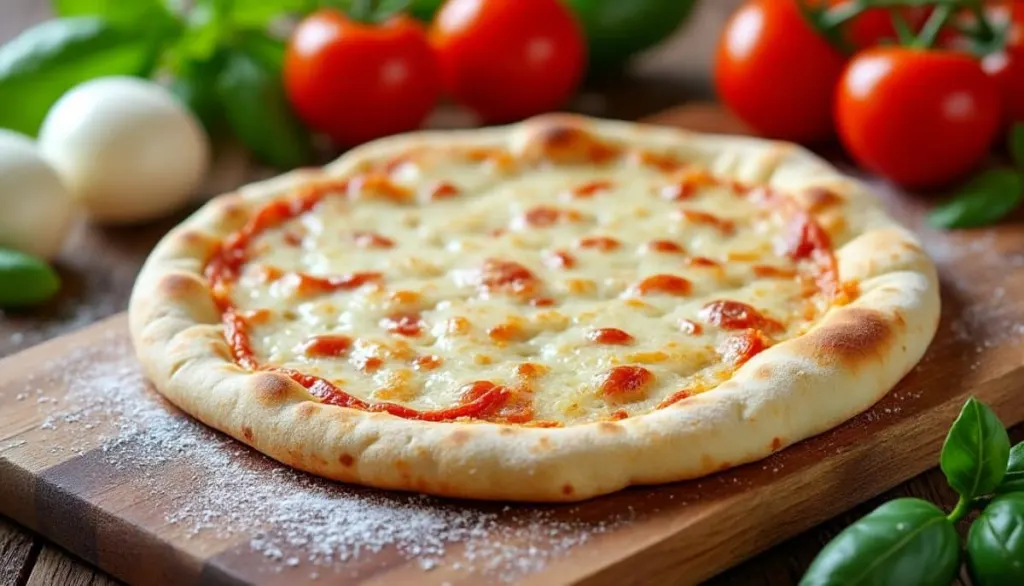
Finding a speedy yet reliable gluten-free flatbread pizza base can be a real kitchen challenge, especially when you crave a chewy, bubbly, and golden crust that holds toppings perfectly. This quick gluten-free flatbread pizza base recipe offers a delicious solution for those seeking versatility and comfort without compromising on texture or flavor. Here’s everything you need to know about crafting a perfect gluten-free flatbread pizza base that suits any topping or meal occasion.
Creating a Quick Gluten-Free Flatbread Pizza Base with Simple Ingredients
Mastering a gluten-free flatbread dough that’s quick to prepare relies on using the right combination of ingredients for structure and rise. Use a gluten-free flour blend such as Cup4Cup, Better Batter, or a DIY blend known for reliable results. These blends are compatible with yeast, a key component that ensures your flatbread develops air bubbles and rises nicely.
Essential ingredients include:
- 2 cups gluten-free flour blend (add ¾ teaspoon xanthan gum if your blend lacks a binder)
- 1 teaspoon baking powder and ½ teaspoon salt for flavor and extra rise
- 1 tablespoon olive oil for moisture
- 1 cup warm water (filtered preferred to enhance yeast activity)
- 2 teaspoons active dry yeast or ⅓ cup gluten-free sourdough starter for natural fermentation
Combining these in the correct order—activated yeast in warm water, mixing in dry ingredients, and forming a soft but workable dough—sets the stage for a fast, fluffy flatbread that complements toppings elegantly.
Essential Techniques for Preparing a Soft and Chewy Gluten-Free Flatbread Dough
The quality of your flatbread hinges on gentle handling and the right rising environment. Roll out the dough to roughly ½ inch thick for a robust pizza base or ¼ inch for thinner flatbread, dusting surfaces with gluten-free flour to prevent sticking. Because gluten-free dough rises only once, shape your flatbread before letting it rest covered for 30 to 45 minutes in a warm spot — a lightly warmed oven around 175ºF works perfectly for this.
Adjust the hydration if your dough feels too sticky; a tablespoon of added flour can help. This balance ensures your flatbread is pliable yet resilient during baking.
Three Outstanding Cooking Methods for the Best Gluten-Free Flatbread Pizza Base
Selecting the right cooking method transforms the dough into a golden, chewy crust that supports sauces and toppings flawlessly. Try one of these proven techniques:
- Pizza stone on grill or oven: Heat the stone to 425ºF, place dough on it, bake 8–10 minutes till pre-cooked. Add toppings, then bake another 5–8 minutes for bubbling cheese and crispy edges.
- Cast iron skillet: Preheat over medium heat, cook dough until golden bubbles form underneath, flip carefully, then add toppings and toast briefly until cheese melts.
- Regular or toaster oven: Use a preheated pizza stone at 425ºF, cook flatbread as per the grill method for crispness and texture.
Hot stones typically yield the bubbliest texture, while cast iron offers convenience and quick cooking, ideal for weekdays.
Reliable Gluten-Free Flour Blends and Yeast Options for Optimal Rise
For the best outcome, select flour blends verified for yeast baking, such as Bob’s Red Mill, King Arthur Baking, Simple Mills, Schär, Udi’s, CAULIPOWER, Glutino, Jovial, or Cup4Cup. Each blend contributes unique textures—from the chewy, airy structure of Cup4Cup to the reliable rise of Better Batter.
Consider these pointers for working with gluten-free yeasts:
- Ensure yeast is certified gluten-free; not all brands (like Red Star Platinum) guarantee this
- Rapid yeast speeds rise time but sourdough starter adds enhanced flavor and requires longer proofing
- Use filtered water to avoid chlorine issues that suppress yeast activity
Customizing Your Flatbread Pizza for Flavor and Dietary Needs
The beauty of this gluten-free flatbread pizza base is its versatility. Top with classic tomato sauce, fresh mozzarella, or try pesto with goat cheese and herbs for a gourmet touch. The flatbread is excellent for creative toppings or enjoyed plain as a wrap or dipping bread.
For a dairy-free or vegan option, substitute plant-based cheeses and oils, maintaining the flatbread’s texture and flavor integrity. This adaptive recipe fits into various diets easily and suits quick meal prep.
Explore gluten-free flour blends and pizza dough variations on trusted sites like GoodForYouGlutenFree and MyGFGuide. For further inspiration, see creative recipes on GlutenFreeGoddessRecipes and detailed dough preparations at MamaLaura’s Kitchen.
Are you ready to try this quick gluten-free flatbread pizza base and impress your family or guests? How will you customize your toppings? Bookmark this guide and start baking!
About the author
Mason Lee shares practical ideas designed to work in real life.
Explore
Latest ideas
🎄 Cozy Christmas PJs: Ultimate Holiday Comfort! 🛌
🎄 Ultimate Christmas Gift Guide: Perfect Ideas for Everyone! 🎁
🎄DIY Christmas Ornaments: Fun Crafts for Every Age!✨
🎁 Office-Friendly Christmas Gifts for Coworkers 🎄