The Ultimate All-Purpose Gluten-Free Flour Blend
Posted on September 5, 2025 · by Mason Lee
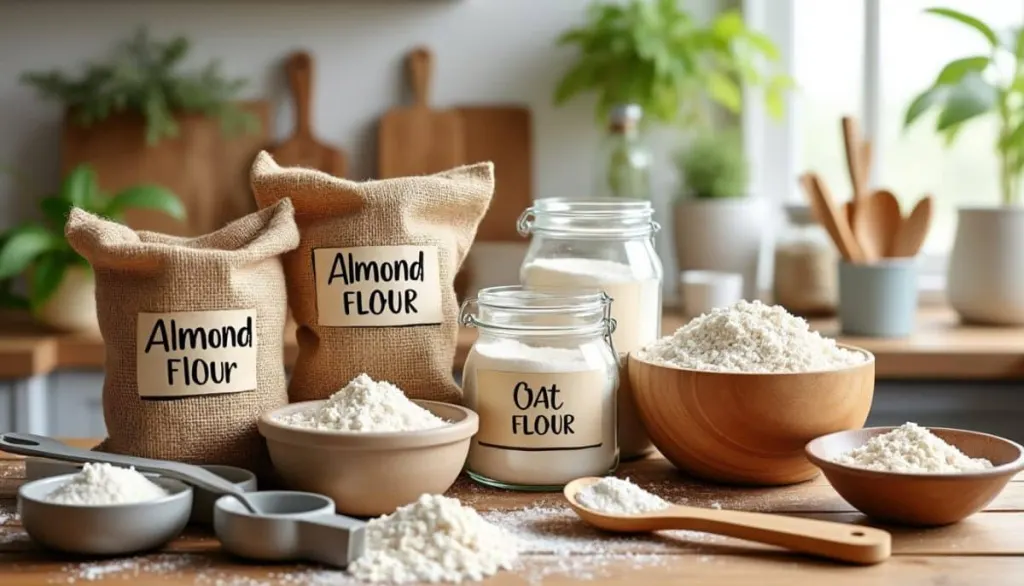
Finding a single gluten-free flour blend that works across all your baking and cooking needs can feel impossible. Many blends either fall short on texture, flavor, or versatility, leaving you stuck with separate mixes for bread, cakes, or pancakes. Here’s everything you need to know about developing or choosing the best gluten-free flour blend for everything, making your gluten-free cooking simpler and delicious.
Essential Components of the Best Gluten-Free Flour Blend for Everything
Not all gluten-free flour blends are created equal. To nail a blend that works in any recipe, combining the right flours is key. A well-rounded blend typically includes:
- Brown rice flour for mild flavor and smooth texture—preferred over white rice flour, which can be gritty.
- Tapioca starch or sweet rice flour as excellent thickeners and to improve chewiness without a gritty bite.
- Coconut flour for a subtle sweetness, but use cautiously since it absorbs a lot of liquid and can dry out recipes.
- Avoid bean flours if possible, as they can impart an off-putting “beany” flavor undesirable in most baked goods.
- Adding xanthan gum at the time of making your recipe (not in the blend) allows precise control over texture, usually 1/4 tsp to 1 tsp per cup of flour depending on the bake.
These insights come from extensive testing, recipe development, and consumer feedback. Popular options like King Arthur Baking Company’s gluten-free blend or Bob’s Red Mill show that balanced mixes provide consistent results. Some blends such as Better Batter or Cup4Cup are prized for their 1-to-1 substitution ease.
How to Make the Best Gluten-Free All-Purpose Flour Blend at Home
Creating your own blend saves cost and helps avoid additives common in store-bought mixes. Try this simple ratio that covers cakes, cookies, pancakes, and most breads:
- 2 cups brown rice flour
- 2/3 cup tapioca starch
- 1/3 cup coconut flour
- 1/4 cup sweet rice flour
Stir together well and store in an airtight container for up to 3 months. Remember, recipes may require a bit more liquid than usual due to the coconut flour’s absorbency. Add xanthan gum separately when baking to achieve that perfect texture.
This homemade blend rivals the texture and flavor of notable blends such as those by Pamela’s Products or Namaste Foods, which cater to gluten-free diets but sometimes at a higher price. With this homemade approach, you get both control and reliability.
Top Store-Bought Gluten-Free Flour Blends for Versatile Baking
If you prefer convenience, several trusted brands have mastered all-purpose gluten-free blends that perform reliably across recipes:
- King Arthur Baking Company: Their Measure for Measure Gluten-Free Flour works cup for cup and shines in cookies and muffins.
- Bob’s Red Mill: This brand offers a balanced mix perfect for pancakes and breads, free from unnecessary additives.
- Cup4Cup: Known for silky cakes and flawless pancakes, it blends well with dairy and eggs for great rise and crumb.
- Better Batter: Widely recommended for its texture in pizza crusts and quick breads.
- Pamela’s Products and Namaste Foods: Both deliver reliable results; great options if managing allergies beyond gluten.
Explore detailed reviews and comparisons on sites like Taste of Home and PureWow for more insights to help you choose.
Expert Tips for Using Gluten-Free Flour Blends Successfully
Even the best flour blend needs a few smart tweaks to shine in your recipes. Here’s what to keep in mind:
- Add xanthan gum or guar gum when prepping dough or batter for structure and elasticity.
- Adjust liquid ingredients to compensate for high absorbency flours like coconut or sorghum.
- Blend flours fresh for best results; some store-bought bags can lose potency over time.
- For crispier baked goods, try a mix that incorporates starch-rich flours like tapioca or arrowroot.
- Always sift the blend before measuring to ensure lightness and even distribution.
These adjustments guarantee consistently soft, moist, and fluffy gluten-free baked goods that rival traditional wheat-based favorites. Resources like Gluten Free on a Shoestring provide tailored recipe adaptations using these principles.
About the author
Mason Lee shares practical ideas designed to work in real life.
Explore
Latest ideas
🎄 Cozy Christmas PJs: Ultimate Holiday Comfort! 🛌
🎄 Ultimate Christmas Gift Guide: Perfect Ideas for Everyone! 🎁
🎄DIY Christmas Ornaments: Fun Crafts for Every Age!✨
🎁 Office-Friendly Christmas Gifts for Coworkers 🎄