Easy DIY Christmas Cards 🎄✨ Quick & Creative Ideas!
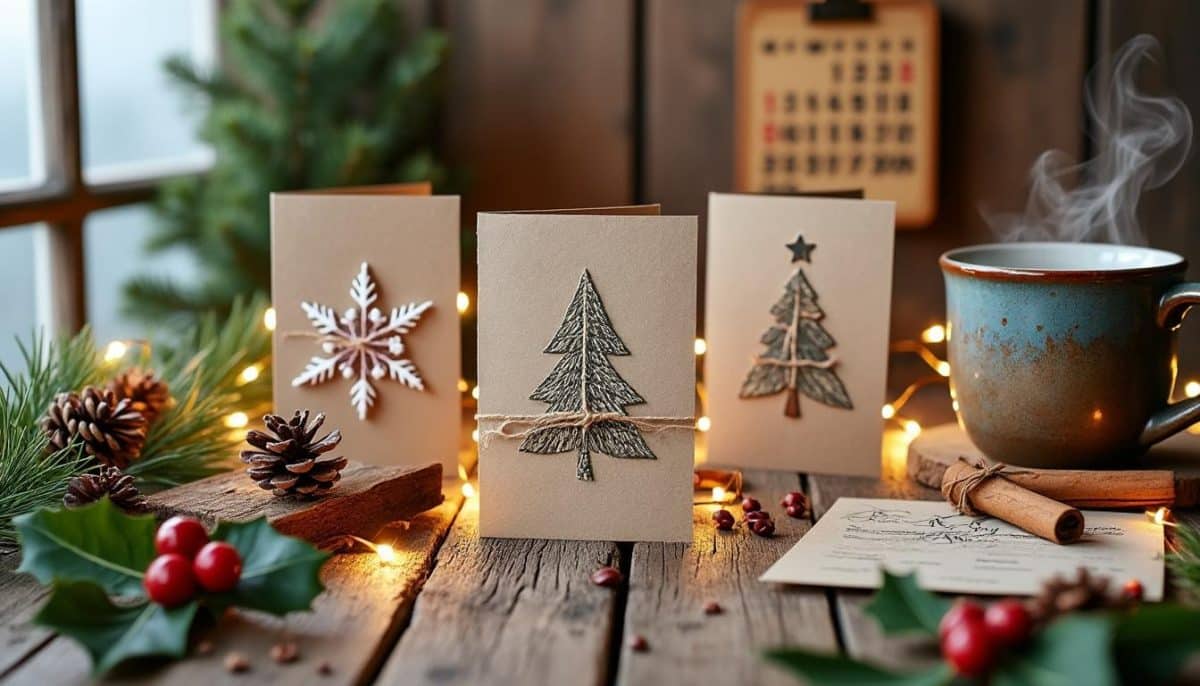


5 Fast Simple Christmas Cards You Can Make in Minutes — Quick, Low-Cost, High-Impact
Main idea: Create Simple Christmas Cards that look intentional and festive using a handful of supplies and a step-by-step approach that produces consistent results every time. 🎄✨
Start with a reliable, repeatable layout and you can make batches in under 15 minutes each. The secret is a single focal element, a background texture, and a strong sentiment. This section gives concrete, actionable instructions for five quick layouts that work for mass production.
Design 1 — Stamped Single Motif on Colored Panel
Conclusion first: use a single stamped image on a colored cardstock panel to create an elegant Easy Christmas Cards look that’s fast to reproduce. Choose a 4 x 5.25 inch colored panel and center-stamp a snowflake, tree, or ornament. Add a narrow white mat and mount on a standard A2 base.
Why this works: one motif minimizes stamping time and reduces waste. Practical steps: pick a black permanent ink for contrast, use a sentiment stamp with mixed fonts, and seal with a small clear gem or a dab of metallic marker. Pin this layout for later — it’s perfect for last-minute card sets. Pin for later! 📌
Design 2 — Designer Paper Strip with Sentiment Window
Conclusion first: a 1.5-inch strip of double-sided designer paper plus a die-cut window creates visual interest with minimal cutting. Cut the base 4.25 x 11 inches, fold to A2, position the strip on the right third, then cut a small window in the top layer to reveal a contrasting paper beneath.
Why this works: double-sided paper adds depth without layering multiple pieces. Time estimate: 10 cards in 30 minutes if papers are pre-cut. For inspiration and more patterned-paper ideas, see a roundup of fast layouts at 10 Cards In 20 Minutes. 🎁
Design 3 — Negative Die-Cut Tree with Embossed Background
Conclusion first: make dramatic Festive Card Making by cutting a negative tree shape from the front panel and backing it with metallic paper. Add a small embossed panel in the background for texture and mount with foam tape for dimension.
Why this works: negative die cuts feel custom and expensive but are fast once dies are ready. Supplies: negative die, metallic cardstock, 3D embossing folder. For embossed texture techniques and how-tos, explore inspiration at 24 Quick & Easy Christmas Card Ideas. ✂️
Design 4 — Layered Minimalist Sentiment on Kraft
Conclusion first: a simple sentiment in white or gold on kraft cardstock looks modern and is child-friendly to mass-produce. Stamp the sentiment in the center, add a tiny star cluster, and wrap natural twine around the card front for warmth.
Why this works: kraft is forgiving and hides small imperfections, speeding production. Cost breakdown: kraft panels are inexpensive and ribbon/twine stretches across dozens of cards. Quick tip: stamp a full sheet then cut into panels to save time. 💡
Design 5 — Patterned Corner Accent with Washi or Ribbon
Conclusion first: use washi tape or a 0.5-inch ribbon diagonally across the corner to frame a small sentiment; this design is fast and forgiving. Measure once, repeat many times.
Why this works: washi eliminates glue and dries instantly. Quick finishing: add a tiny stamped greeting in coordinating ink and a metallic dot for a professional look. For more quick craft inspiration and templates, review additional examples at DIY Christmas Cards. 🎨
Example case: Nora, a busy meal-prep creator, made 60 cards using design 2 and design 4 over three evenings, setting a timer for 20 minutes per session and finishing assembly while a holiday show played. This workflow saved time and produced a cohesive set she felt proud to mail.
Final insight: choose one or two of these layouts and stick to them to streamline production, cut down supply choices, and boost creative momentum. 🔔
Quick DIY Snowflakes and Stamped Designs for Simple Christmas Cards
Main idea: Mastering a few stamping and snowflake techniques lets anyone produce high-volume, consistent Handmade Cards with professional results. ❄️
Answer first: pick three go-to stamps and one positioning tool, then create a simple assembly line. This approach ensures crisp impressions and fast turnaround.
Start with a Stamp Positioning Strategy
Conclusion first: use a stamp positioning tool to achieve clean, repeatable images every time. The device eliminates the need to re-stamp by hand and keeps placement uniform across cards.
Why this works: a positioning tool reduces mistakes and speeds production. Practical steps include preparing multiple panels stacked in the tool and stamping the same impression across the batch, then switching sentiments without realigning the base each time.
Snowflake Spotlight — Layered Ink and Gems
Conclusion first: a layered snowflake focal point looks intricate but is quick when using coordinating inks and pre-cut cardstock circles. Stamp the snowflake in a mid-tone, then overlay with a darker outline for depth.
Example: a creator paired Fresh Freesia tones with coordinating gems to allow the image to pop on a clean white field. Add a tiny gem to the center for sparkle and finish with a clear shimmer pen on snowflake tips. For visual step-by-step projects that fit this method, check a quick DIY guide with cutting dimensions and project sheets at Easy DIY Christmas Cards to Craft in 5 Minutes. ✨
Embossed Ring Accents and Simple Twist Cuts
Conclusion first: combine a small embossed area with an angled cut to create a modern layout without extra layers. An embossing folder that’s slightly smaller than the panel creates a framed effect that stands out.
Why this works: embossing adds tactile interest and photography-friendly shadows. Practical step: emboss multiple panels at once, then angle-cut one corner to reveal a patterned paper underlay. Quick video tutorials speed up technique learning — watch a clear demonstration on efficient card assembly below.
Example case: Rowan, an organizer who plans holiday mail two months ahead, embossed and stamped sets while meal-prepping for a holiday brunch; the multi-task strategy kept momentum high and filling the mailbox stress-free. For more stamping layout ideas and creative variations, explore a list of tried-and-true designs at 15 Awesome Homemade Christmas Card Ideas. 🎯
Final insight: focus on one stamping technique and one embellishment per batch for faster assembly and a cohesive set that still feels handcrafted. 🕒
Personalized Christmas Cards: DIY Holiday Projects That Feel Like a Gift
Main idea: Personalization elevates a simple card into a keepsake. Use photos, hand-lettered names, or small tags to make each recipient feel seen. 📬
Answer first: add one personal touch per card — a photo, a handwritten line, or a unique embellishment — and keep the rest of the design consistent to save time.
Photo-front Cards and Minimal Layouts
Conclusion first: photo-front cards require only a border, a small sentiment, and a sturdy envelope to read as high-value. Crop a vertical or square photo to 3.5 x 4.75 inches, add a thin white border, and place it on a colored backing for instant polish.
Why this works: people treasure photos more than ornate embellishments. Practical tips: print photos on matte photo paper to avoid glare and choose a consistent filter for all family pictures to keep the set unified. For template ideas and sample greetings to pair with photo cards, see options at Christmas cards templates and greeting wording at Christmas greetings messages. 📷
Hand-lettered Names and Small Tags
Conclusion first: a hand-lettered name on each envelope or a small tag tucked inside a card adds a warm, personal touch without increasing card construction time substantially.
Why this works: the human element makes mass-produced layouts feel custom. Practical steps: pre-cut small tags 1 x 2.5 inches, write names with a metallic gel pen, and tie with thin twine. If tight on time, print address labels in a festive font and apply them to save pen time.
Budget and Time Estimates for Personalization
Conclusion first: personalization can be done within reasonable budgets — expect under $0.75 extra per card for tags, ink, and a few embellishments when produced in batches of 25–100. Track time with a stopwatch to optimize math: name tags average 30 seconds each when names are pre-lined.
Why this works: bulk purchasing and assembly-line personalization reduce per-card costs. For inspiration on low-cost, high-impact designs, browse curated galleries such as those at DIY Christmas Cards at Parade. 💸
Example anecdote: Maya, a meal-prep pro who schedules craft time like kitchen prep, batches card fronts on Sunday and writes names while a slow-cooker simmers. The end result was a stack of warmly personalized cards ready before the holiday rush.
Final insight: one small personal touch per card converts a simple design into a meaningful gift without sacrificing speed or budget. 🎁
Embossing, Foil, and Die-Cut Tricks for Festive Card Making
Main idea: Adding texture and metallic accents transforms Simple Christmas Cards into premium-feeling pieces with modest extra effort. Use embossing folders, foil accents, and negative die-cuts selectively for the best return on time. ✨
Answer first: pick one high-impact technique per batch and keep the rest of the card simple to maintain speed while boosting perceived value.
Embossing Folders and Textural Layers
Conclusion first: an embossed background provides instant depth and photograph-friendly shadow lines. Use a 3D embossing folder sized to your front panel for consistent results.
Why this works: texture catches light and feels professional. Practical steps: run five panels through the folder at once and lightly sponge ink over raised areas for contrast. For examples of embossed layouts and combination techniques, review tutorials and project sheets shared by cardmakers at 15 Handmade Christmas Card Ideas. 🧩
Foil Accents and Metallic Lettering
Conclusion first: foil strips or foil-stamped sentiments create a luxe focal point. Apply narrow foil using adhesive strips or foil transfer sheets behind a die-cut opening for maximum shine with minimal fuss.
Why this works: people perceive metallics as premium even when applied sparingly. Practical tip: use gold or silver for traditional cards, and navy or cranberry foil for modern palettes. When selecting supplies, choose wider foil rolls to reduce frequent changes during production.
Die-Cuts: Positive vs. Negative for Visual Interest
Conclusion first: negative die-cuts feel custom and are quick when done in batches. Cut multiple panels with the same die, keep the negative piece for another design, and back the front panel with contrasting paper to emphasize the shape.
Why this works: using both the positive and negative pieces doubles yield from one pass through the machine. For inspiration on mixing dies and text, see curated suggestions at Country Living’s Christmas Card Ideas. 🧾
Example case: a small craft studio produced a set of 80 cards using a single snowflake die — half used the negative backed in red, and half used the positive die cut layered over embossed white panels. The two looks photographed well together and required only one pass per card front during die cutting.
Final insight: pick one technique — embossing, foil, or die-cut — and repeat it across a batch to gain premium impact without adding complex assembly steps. 🌟
Family-Friendly Creative Christmas Crafts: Quick DIY Projects for All Ages
Main idea: Engage the whole household in making DIY Holiday Projects by assigning age-appropriate tasks and using simple templates so every participant contributes to a cohesive set. 👪
Answer first: prepare pre-cut shapes and one central layout so kids and adults work in parallel on different finishing steps. This keeps momentum and prevents creative bottlenecks.
Preschool-Friendly Cuts and Stick Options
Conclusion first: give young children pre-cut shapes and a small pad of glue dots to create colorful collages that look handcrafted and charming. Prepare the base cards and let them place shapes — no scissors required for tiny hands.
Why this works: safety and simplicity keep kids engaged and the result is genuinely decorative. For themed shape packs and preschool craft prompts, try resources like preschool Christmas crafts and quick drawing guides at easy Christmas drawings. 🖍️
Teens and Adults — Hand-Lettering and Mixed Media
Conclusion first: older kids and adults can take on lettering, watercolor washes, or simple collage. Assign one person to hand-letter greetings while another applies washes or splatters for a coordinated set.
Why this works: delegation keeps work flowing and allows different skill levels to shine. Practical tip: practice lettering on scrap before touching finished panels to minimize waste.
Scheduling and Planning: 45–60 Days to Mail-Ready
Conclusion first: schedule card making 45–60 days before postal deadlines to allow time for assembly, addressing, and mailing. Break tasks into small sessions: cutting, stamping, embellishing, writing, and stamping the envelopes across multiple evenings.
Why this works: planning reduces last-minute stress and increases creative quality. For quick templates and batch-friendly designs to try during scheduled craft nights, see galleries and downloadable project sheets at Parade Home & Garden and template libraries at DIY Christmas cards. 🗓️
Family anecdote: a household assigned a rhythm — 30-minute card evenings twice per week. Children assembled sticker accents, teens did pen work, and adults handled final touches and addressing. The result was a diverse but cohesive stack of Personalized Christmas Cards ready well before the holiday rush.
Final insight: design a simple, repeatable layout and assign clear, small tasks to each family member to transform cardmaking into a joyful, productive group activity. 🎉